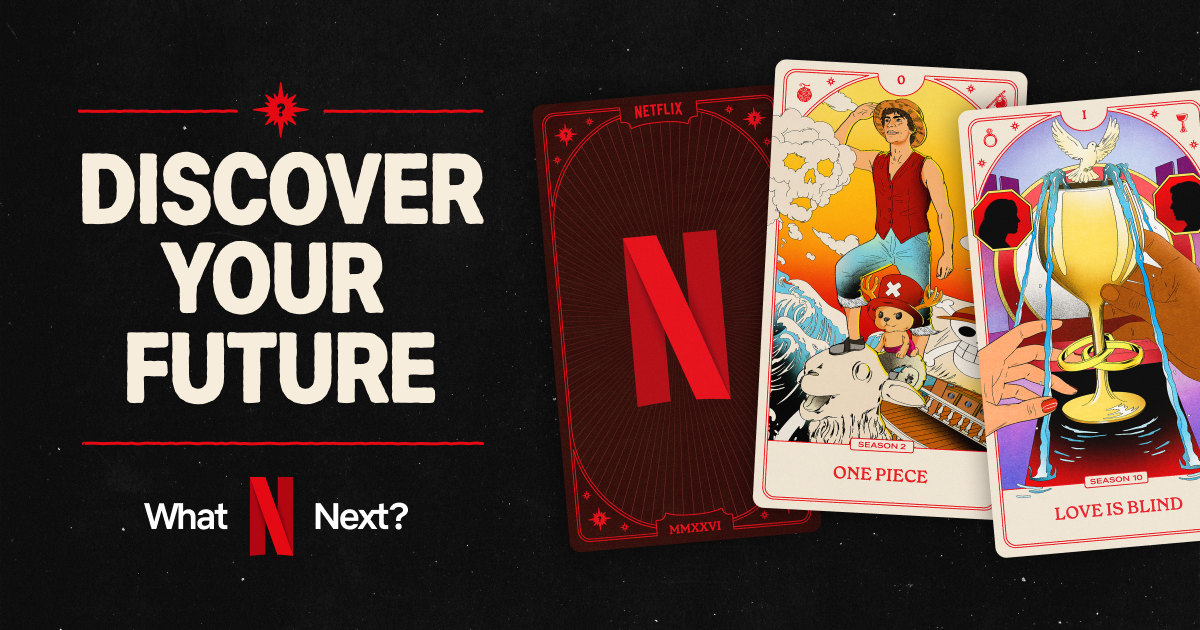
Discover Your Future.
2025 was Netflix’s biggest year. Then its biggest shows came to an end, leaving one question hanging over everything: What Next?
-
What's true right now?
Netflix entered 2026 at a peak and at a crossroads. In the second half of 2025, audiences watched 96 billion hours of Netflix, up two billion year over year. Stranger Things 5 opened with 59.6 million views in five days, the biggest English-language debut in the platform’s history, before its December 31 finale delivered Netflix’s most-watched New Year’s Day ever. Across five seasons, the series surpassed 1.2 billion views, more than any Netflix series before it. Then it ended. So did Squid Game, You, and Big Mouth. At the same time, Netflix’s once-distinctive January slate reveal had become category convention. Every entertainment company now arrived with the same crowded montage of titles, faces, and release dates.
-
What's the real problem?
Fans weren't hungry. They were grieving what was gone. Four shows they had built years of their lives around had ended. The question of What Next? was closer to loss than to curiosity. Fans were so unwilling to let go of Stranger Things that they convinced themselves a secret ninth episode existed. Nobody in that state wants to be handed another slate reveal of forty titles arriving alongside every other platform’s forty titles. The most emotional question of the year couldn’t be answered by another simple press release.
-
What's true about people?
Nobody gets over a story. They go looking for the next one.
-
What do we want people to believe?
Your next obsession is already waiting for you.

-
How did the belief show up?
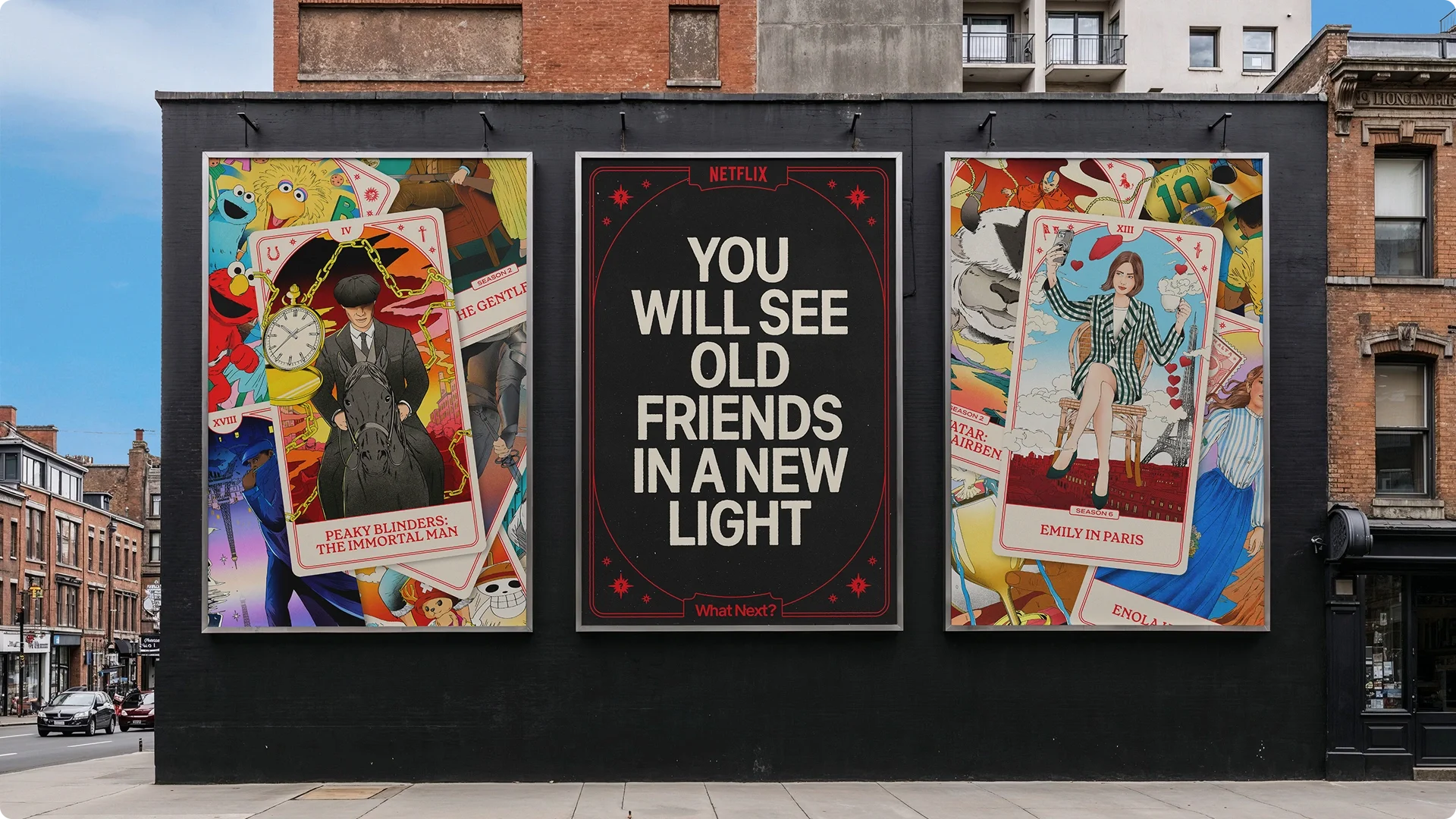
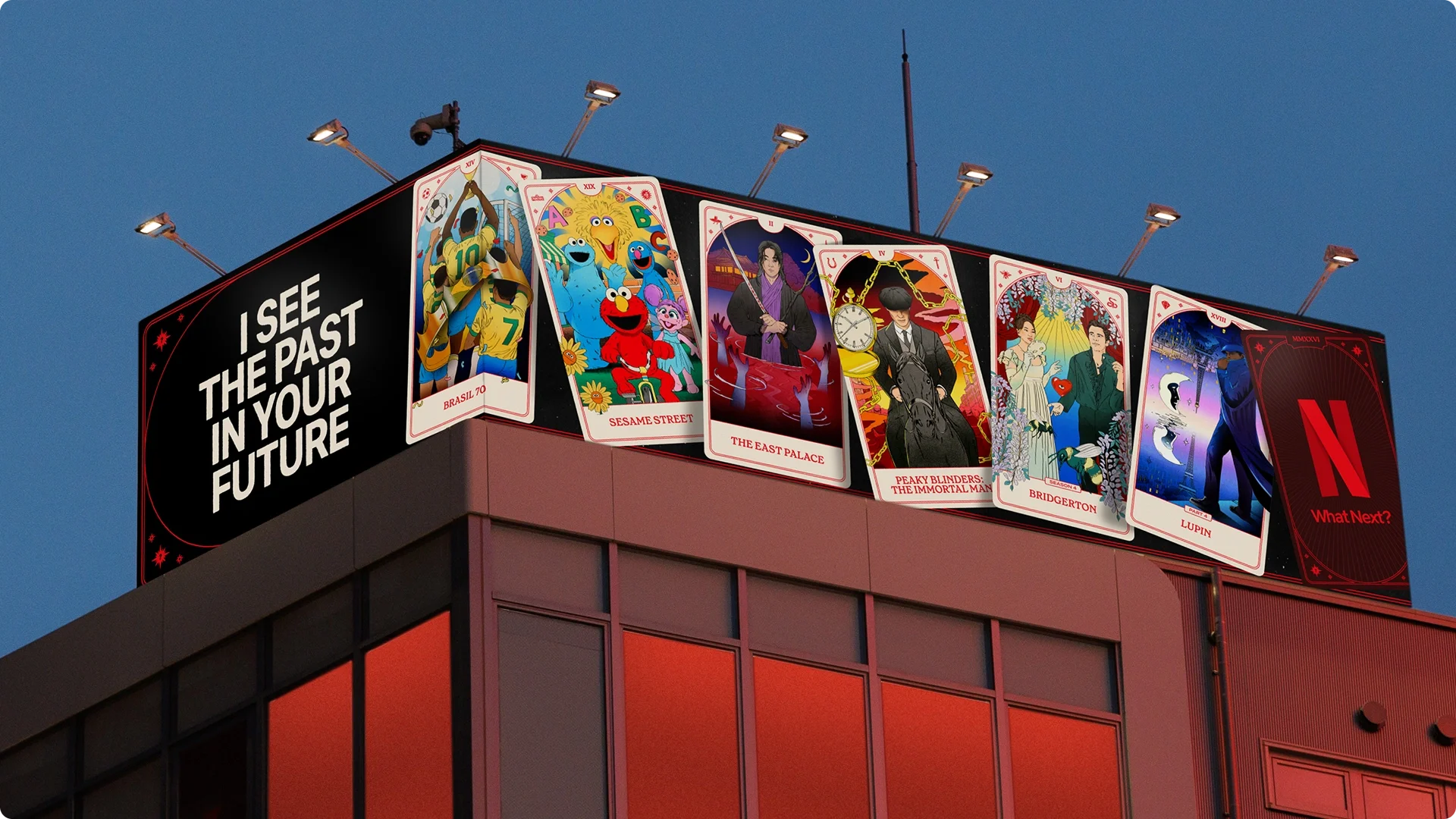
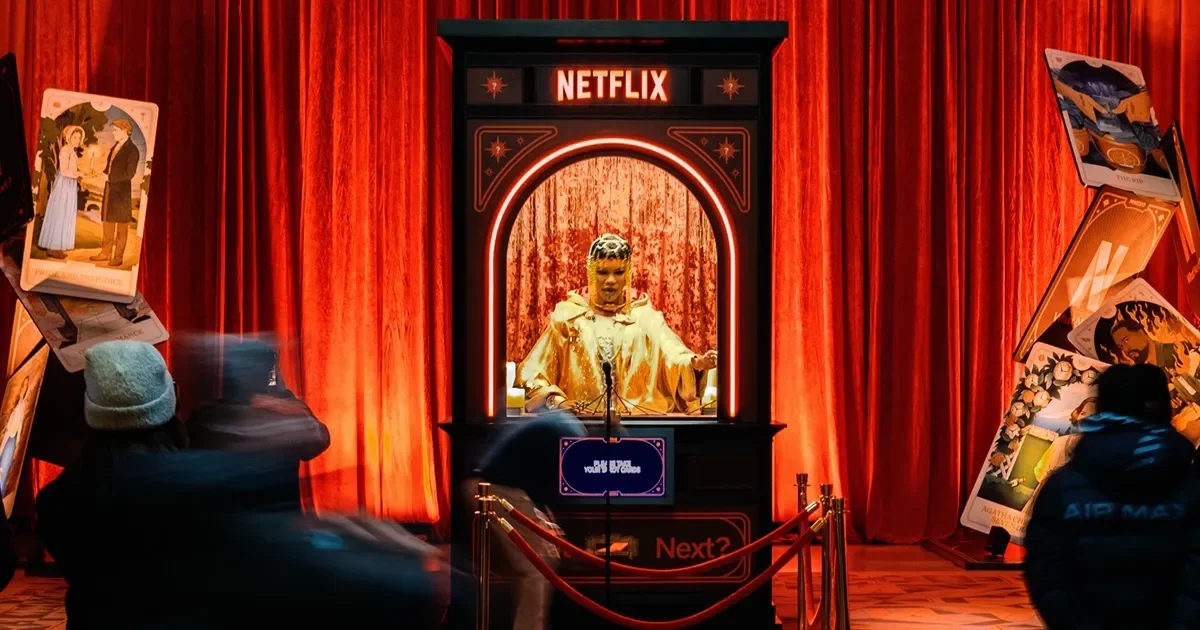
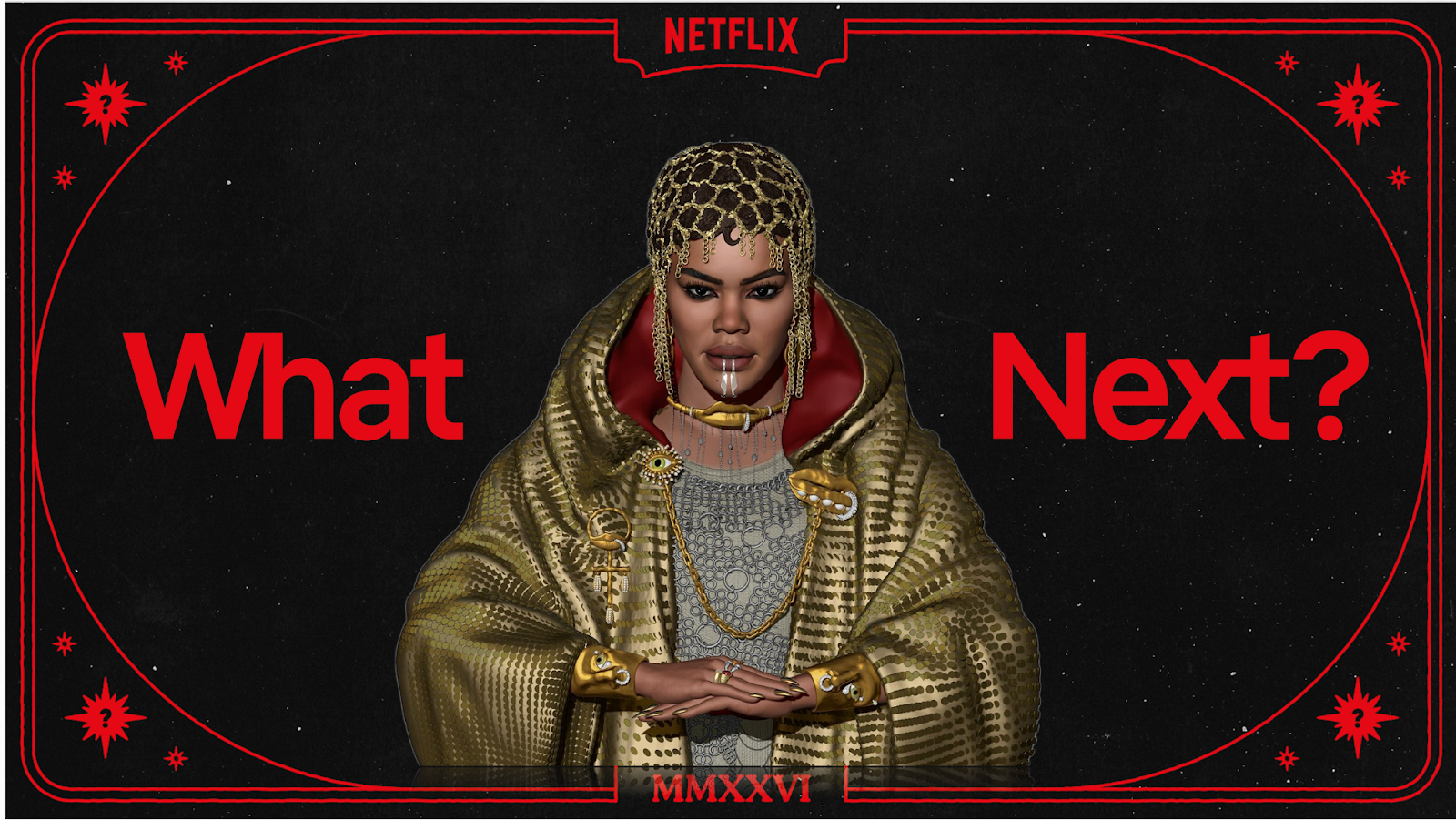
What Next? wasn’t Netflix’s question. It was the one fans were already asking. Netflix can’t predict where you’ll go or what you’ll achieve in the year ahead. But it can predict what the world will be watching. So Next on Netflix became What Next?, transforming a slate announcement into an invitation to discover your future.
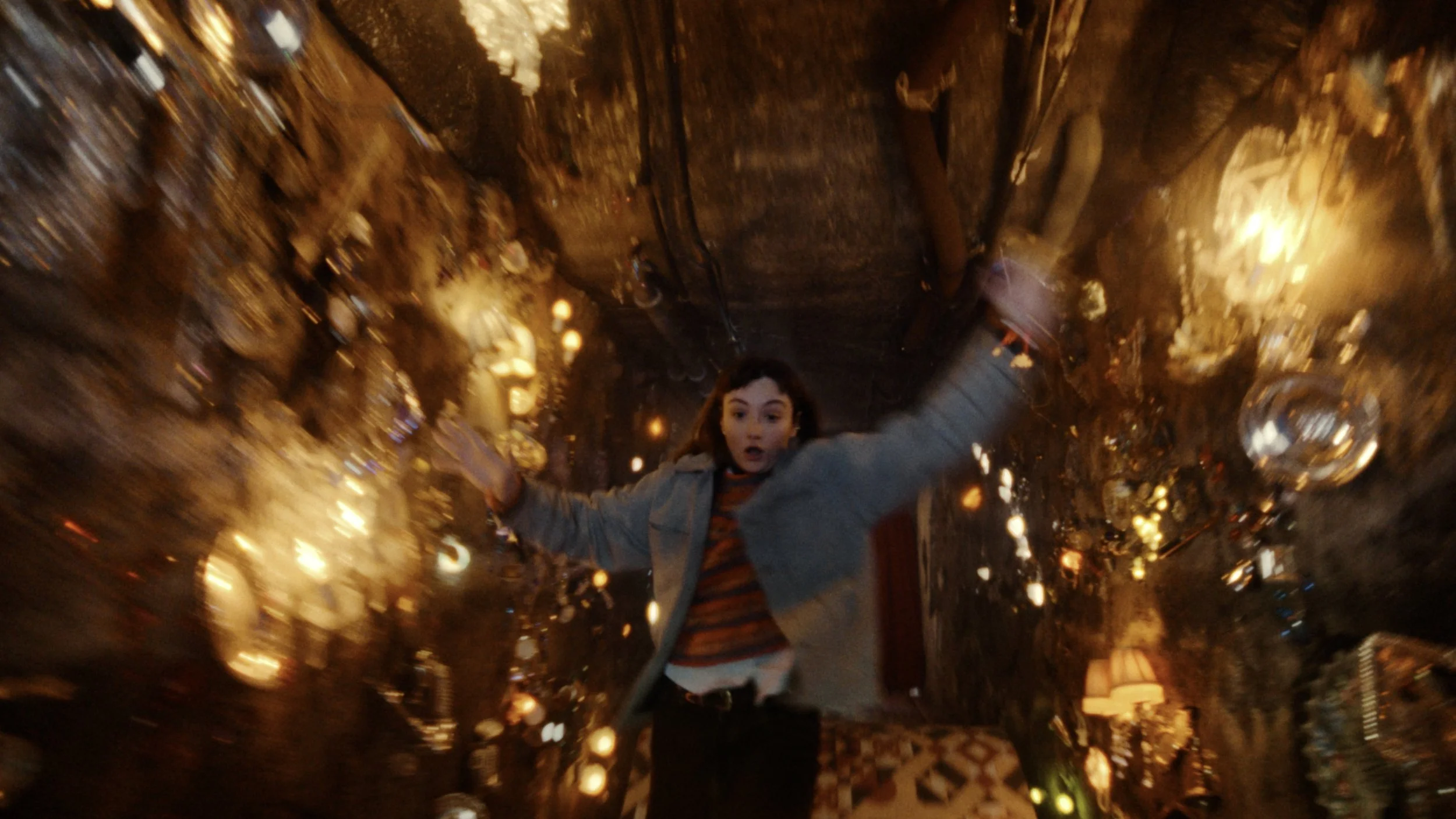
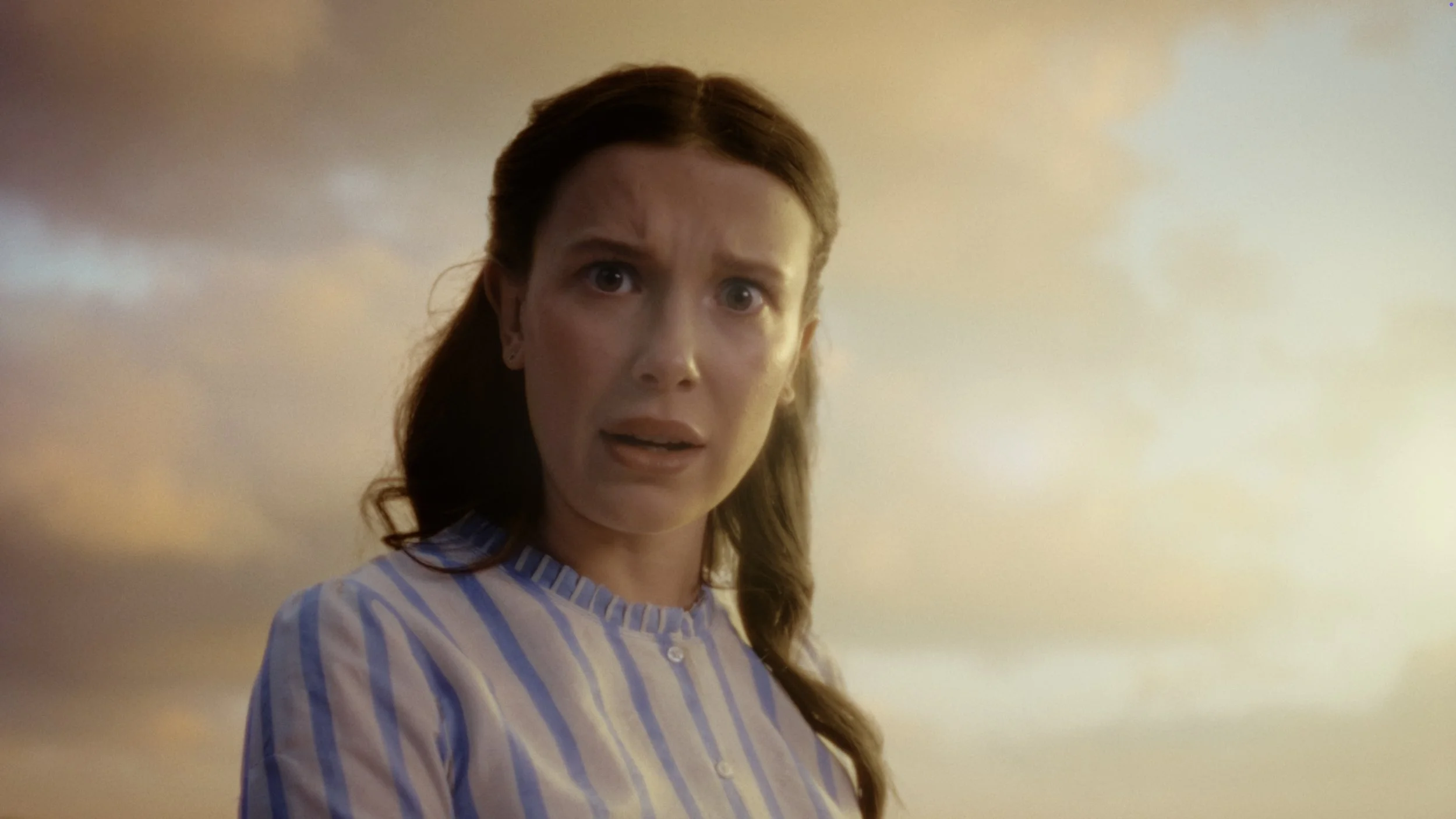
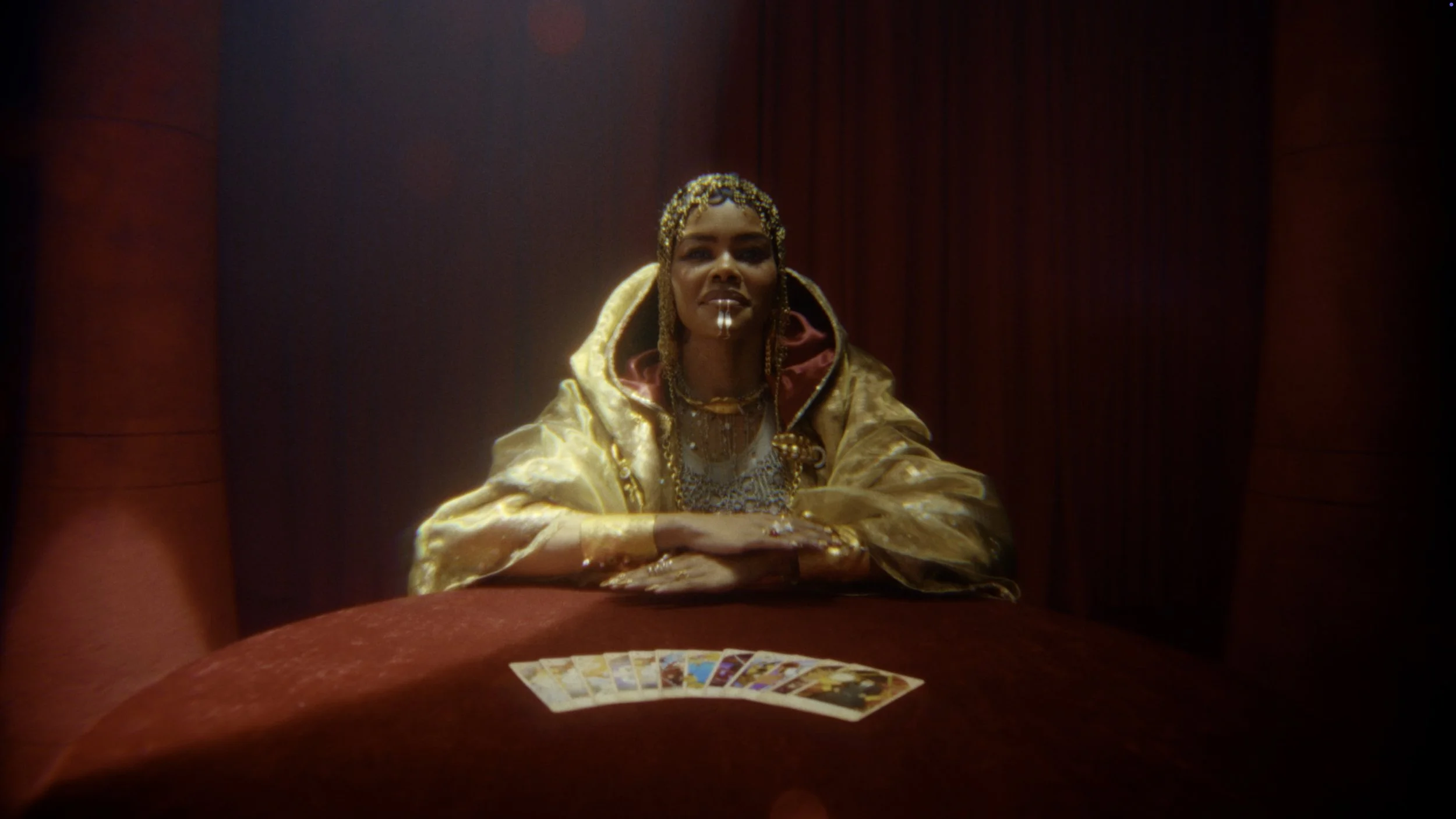
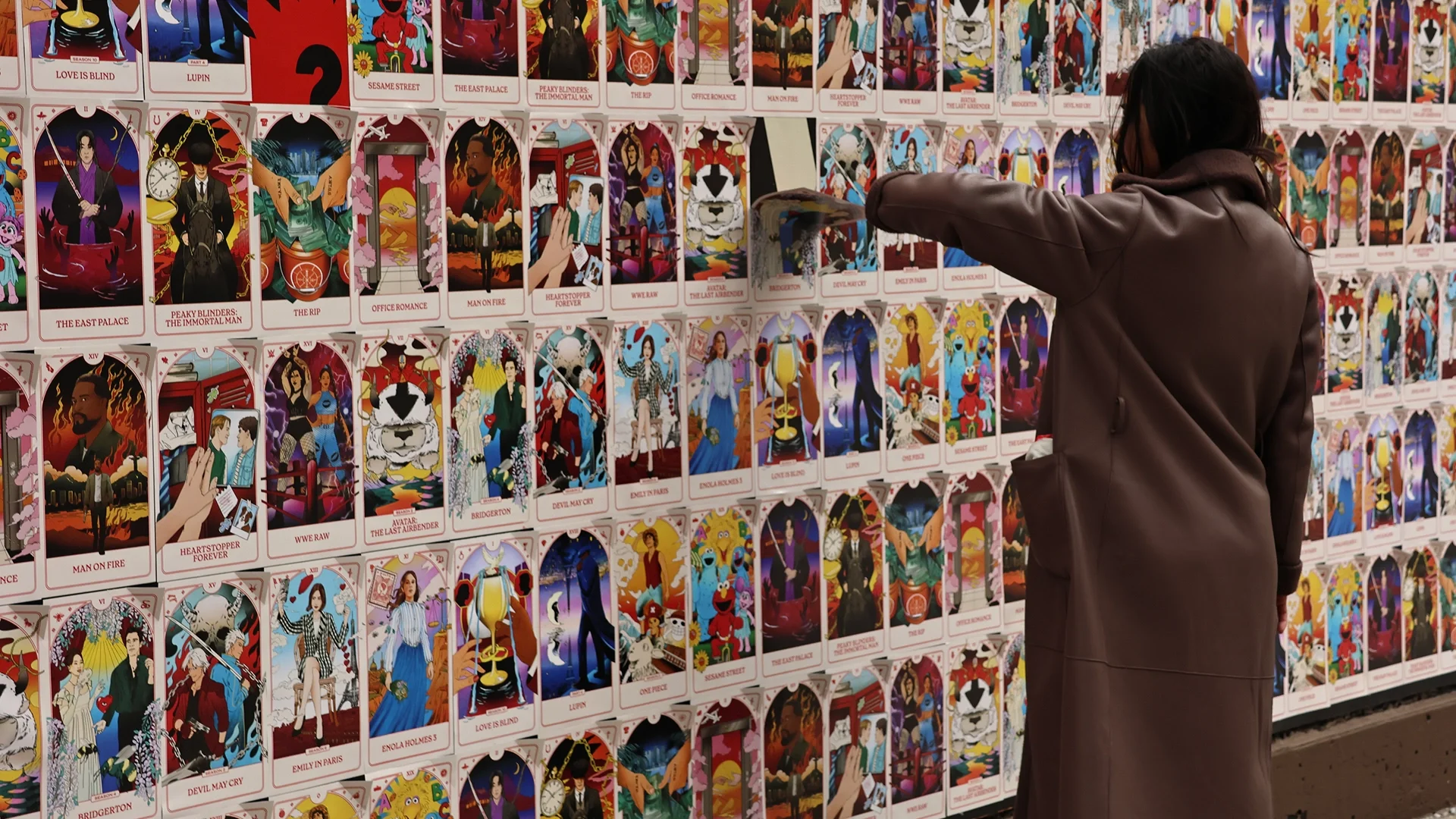
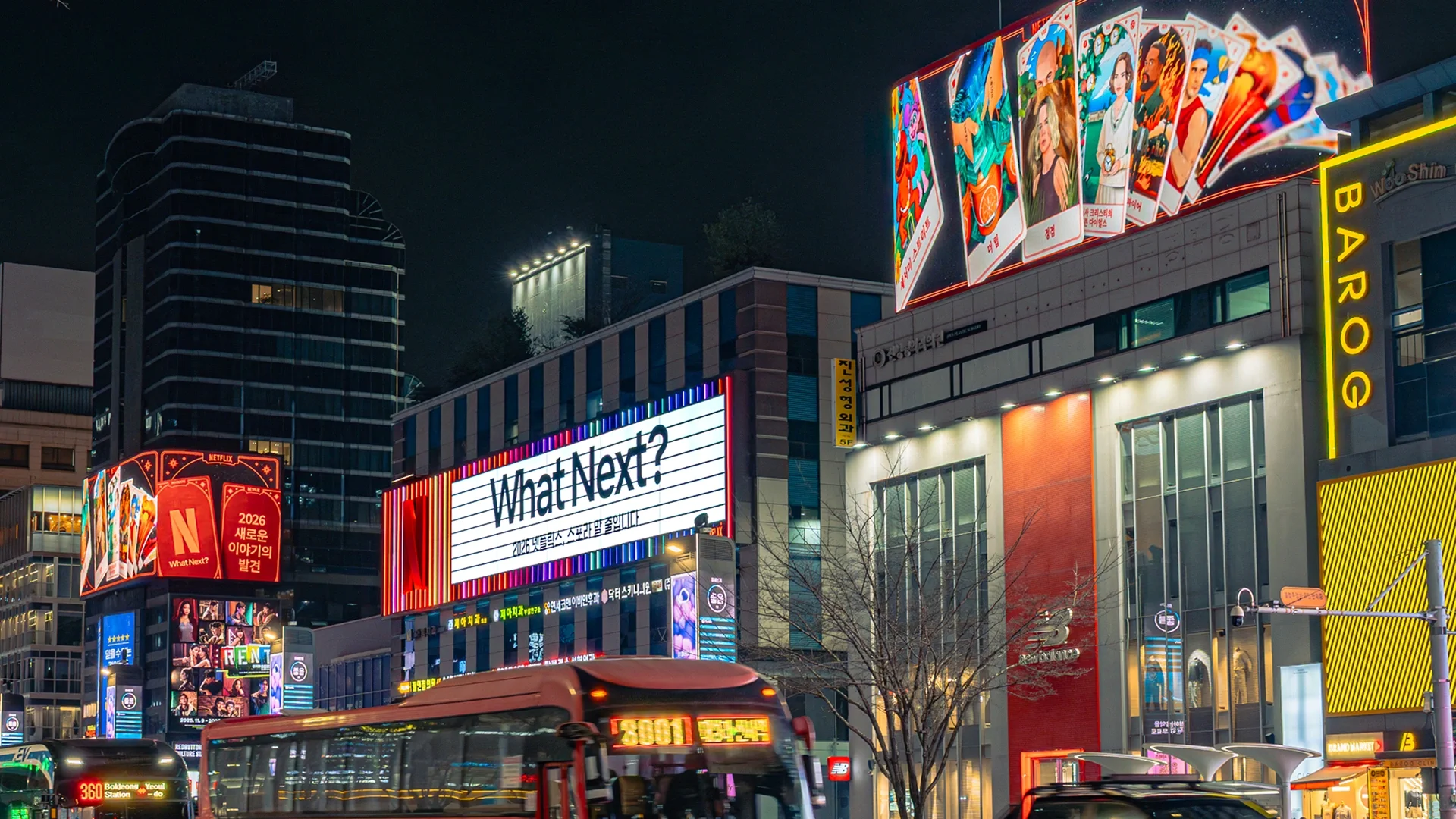
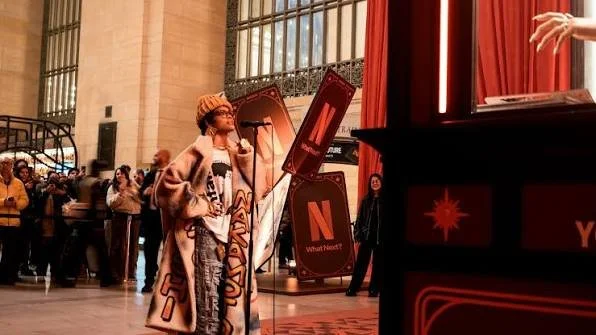
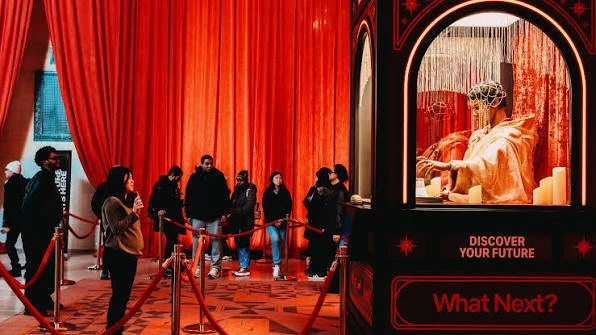
January is when people’s uncertainty and curiosity peak. When people often turn to tarot, horoscopes, and fortune-telling for answers. The campaign unfolded as one connected reading. A cryptic teaser invited fans to hunt for clues; a four-minute hero film carried them through ten Netflix worlds, each revealed by a tarot card. Built largely in-camera with original show vendors, the idea expanded into a custom deck, a digital reading, an AI-powered Teyana Taylor at Grand Central, and 1,230 billboards across 34 countries. Every piece asked the same question and made the answer feel personal.
-
Belief created the search.
The campaign generated 106 million social impressions and more than 1,000 dedicated press stories in its first week. Tudum saw its biggest traffic day ever with 2.55 million visits in 24 hours, 3.5 times projections and up 121% year over year, while 164,000 people completed the interactive reading at an 80% completion rate. As Adweek put it: “Netflix’s bold predictions are paying off.”